Picture this: you’re standing in a hardware store or talking to a fabricator, and someone casually says, “Just use CRC tubes for this job.” You nod along, but inside you’re wondering — aren’t all steel pipes basically the same thing? Round, hollow, made of metal… What’s the big deal?
Here’s the thing. Not all steel pipes are created equal, and the difference between a CRC tube and an ordinary steel pipe can make or break your project — sometimes literally. Whether you’re building furniture frames, automotive parts, or industrial equipment, choosing the wrong tube can lead to poor finishing, weak joints, or a product that simply doesn’t last.
In this blog, we’ll break down exactly what CRC Tubes are, how they differ from regular steel pipes, and why so many engineers, fabricators, and manufacturers specifically ask for them by name. No jargon overload — just simple, practical explanations from the team at Vardhman Steel Tubes.
What Exactly Are CRC Tubes?
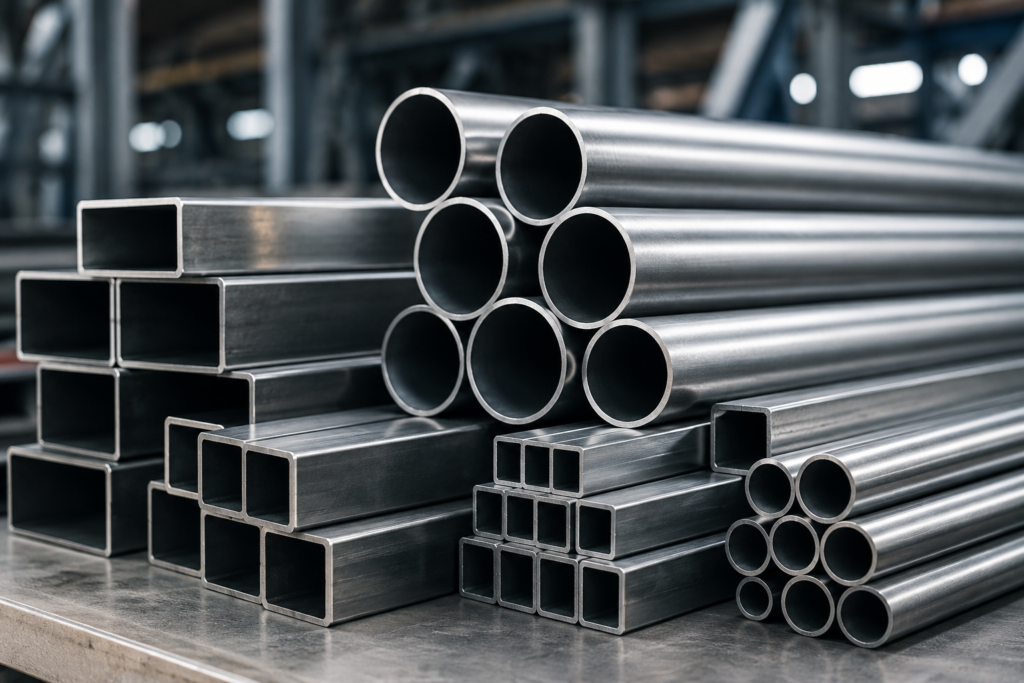
CRC stands for Cold Rolled Coil. CRC tubes are manufactured from cold rolled steel strips or coils that go through a precise, low-temperature rolling process (as opposed to being rolled at high heat). This gives the final tube a smoother surface, tighter dimensional accuracy, and better mechanical properties compared to standard hot-rolled steel pipes.
Think of it like the difference between a hand-kneaded dough that’s been carefully worked at room temperature versus one that’s been rushed through a hot oven shortcut. Both end up as bread, but the texture, consistency, and finish are noticeably different.
How Ordinary Steel Pipes Are Made
Ordinary steel pipes — often hot rolled — are formed at very high temperatures, then cooled at room temperature. This process is faster and cheaper, but it leaves the surface a bit rougher, with slightly less control over the final thickness and shape. That’s perfectly fine for many general applications, like structural beams or rough construction work, where surface finish isn’t a priority.
Why the Manufacturing Process Matters
The manufacturing method directly affects strength, surface quality, and how well the tube can be welded, bent, or machined later. This is why CRC tubes are the go-to choice in industries where precision and appearance matter just as much as strength.
CRC Tubes vs Ordinary Steel Pipes: Side-by-Side Comparison
Let’s put both side by side so you can see exactly where they differ.
Comparison Table: CRC Tubes vs Hot Rolled Steel Pipes
| Parameter | CRC Tubes | Ordinary Steel Pipes |
| Surface Finish | Smooth, clean, ready for painting/coating | Rougher, scaled surface |
| Dimensional Accuracy | Tight tolerances, consistent thickness | Slight variation possible |
| Strength | Higher tensile strength due to cold working | Moderate strength |
| Cost | Slightly higher due to precision process | More budget-friendly |
| Best Suited For | Furniture, automotive, precision fabrication | General construction, structural work |
Note: This table gives a general overview — actual specifications may vary based on grade and supplier.
Key Benefits of Choosing CRC Tubes
- Superior Surface Quality: No rough scaling, which means less prep work before painting or polishing.
- Better Dimensional Precision: Consistent wall thickness makes them ideal for parts that need to fit together exactly.
- Improved Strength-to-Weight Ratio: Cold rolling increases tensile strength without adding bulk.
- Enhanced Weldability: Cleaner surfaces mean stronger, more reliable welds.
- Great for Aesthetic Applications: Furniture, railings, and automotive parts benefit from that smooth, professional look.
Feature & Benefit Table
| Feature | Why It Matters |
| Smooth Surface | Reduces finishing costs and time before coating or painting |
| Tight Tolerances | Ensures accurate fitting in assemblies and machinery |
| Cold Worked Strength | Handles stress and load better in structural applications |
| Consistent Wall Thickness | Improves bending and shaping performance |
This table highlights why each feature of CRC tubes translates into real-world performance advantages.
How to Choose the Right Tube for Your Project
Choosing between CRC tubes and ordinary steel pipes doesn’t need to be complicated. Here’s a simple step-by-step approach:
Step-by-Step Selection Process
| Step | What to Do |
| 1. Define Purpose | Decide if the application needs precision, appearance, or just raw structural support |
| 2. Check Load Requirements | Estimate the stress and weight the tube must handle |
| 3. Consider Finishing Needs | If painting, chrome plating, or polishing is needed, CRC is usually better |
| 4. Compare Budget | Balance quality needs against overall project cost |
| 5. Consult a Supplier | Talk to an experienced manufacturer like Vardhman Steel Tubes for grade recommendations |
Following these steps helps you avoid over-spending or under-specifying your material.
Tips & Best Practices
- Always check the grade: CRC tubes come in different grades — match the grade to your application’s stress requirements.
- Ask for mill test certificates: Reliable suppliers should provide documentation proving material quality.
- Factor in storage conditions: Cold rolled steel can still rust if stored in humid environments without proper coating.
- Don’t ignore wall thickness: A thinner CRC tube isn’t automatically weaker — cold rolling improves strength even at reduced thickness.
- Plan for finishing early: If you need chrome plating or powder coating, choose a tube with the right surface prep in mind.
Common Mistakes to Avoid
Do’s and Don’ts Table
| Do’s | Don’ts |
| Verify tube specifications against your project’s technical needs | Don’t assume all steel tubes perform the same way |
| Buy from a certified, experienced manufacturer | Don’t choose based on price alone |
| Store tubes in a dry, covered area | Don’t leave tubes exposed to moisture for long periods |
| Ask questions about grade and coating options | Don’t skip quality checks to save time |
A little diligence upfront saves a lot of rework and cost later.
Frequently Asked Questions
1. What does CRC stand for in steel tubes?
CRC stands for Cold Rolled Coil, referring to the process used to manufacture the tube from cold rolled steel strips.
2. Are CRC tubes stronger than hot rolled pipes?
Generally, yes. The cold rolling process increases tensile strength and improves dimensional accuracy compared to hot rolled pipes.
3. Can CRC tubes be welded easily?
Yes, their smoother, cleaner surface actually makes welding more consistent and reliable than with rougher hot rolled surfaces.
4. Are CRC tubes more expensive than ordinary steel pipes?
They can be slightly more expensive due to the precision manufacturing process, but the better finish and accuracy often reduce costs elsewhere, like finishing and rework.
5. What industries commonly use CRC tubes?
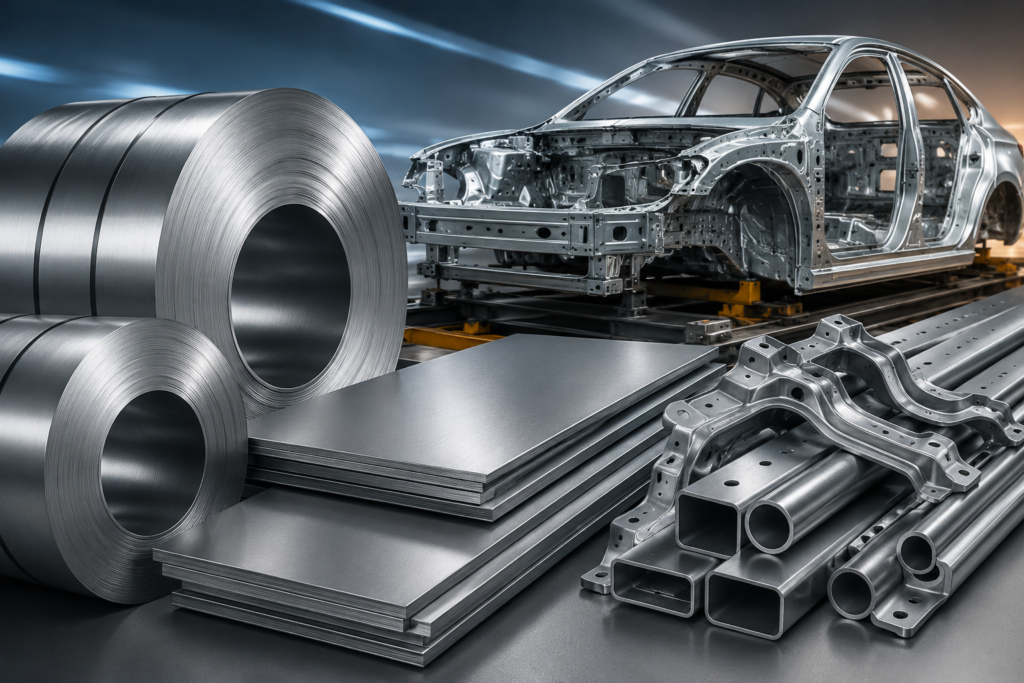
Automotive, furniture manufacturing, precision engineering, and appliance manufacturing frequently rely on CRC tubes for their strength and finish.
6. How do I know which CRC tube grade to choose?
It depends on your load requirements, application, and finishing needs — consulting with a trusted supplier like Vardhman Steel Tubes helps you pick the right grade.
Final Thoughts
At the end of the day, the choice between CRC tubes and ordinary steel pipes comes down to what your project actually needs. If precision, strength, and a clean finish matter to you, CRC tubes are almost always the smarter investment. For rougher, budget-driven structural work, ordinary steel pipes can still get the job done.
Either way, understanding these differences helps you make an informed decision instead of just picking whatever’s available on the shelf. And if you’re still unsure which tube fits your specific application, the team at Vardhman Steel Tubes is always happy to help you find the right fit — because the right material today saves you headaches tomorrow.
Call: +91-9811690433, +91-9891999139
Email: vstamit.139@gmail.com
Address: Plot No. 139, Gate No. 1, Metro Pillar 167, Prakash Industrial Estate, Sahibabad, Ghaziabad (UP)